Camberwell garden maintenance costs explained real cost guide
If you have ever looked at an overgrown border, a patchy lawn, or a hedge that seems to grow an inch every time you blink, you already know the real question is not just what does garden maintenance cost? It is what are you actually paying for, and how do you avoid spending too much for too little? This Camberwell garden maintenance costs explained real cost guide breaks it down in plain English, with a local, realistic view of the work, the pricing drivers, and the choices that matter most.
Truth be told, garden pricing can feel a bit slippery. Two gardens in the same street can need wildly different levels of care, and the final bill often depends on access, season, garden condition, and how much you want done in one visit. The good news? Once you understand the moving parts, it becomes much easier to budget sensibly and choose the right kind of help.
Below, you will find a practical guide to what affects cost, which services are worth combining, when maintenance becomes more economical than reactive tidy-ups, and how to spot value without falling for a cheap quote that turns expensive later. There are also a few local service links where they genuinely help, plus a checklist and FAQs at the end.
Why Camberwell garden maintenance costs explained real cost guide matters
Garden maintenance looks simple from the pavement. Mow the grass, clip the hedge, pull the weeds, sweep the patio, done. But the real job is rarely that neat. In Camberwell, gardens often have a mix of mature planting, compact layouts, narrow side access, and the usual London time pressure. That combination changes the cost picture very quickly.
Understanding the real cost matters because it helps you compare quotes properly. A lower price might only cover a light tidy, while a higher one may include waste removal, edging, pruning, or more careful work around shrubs and borders. If you know what should be included, you are less likely to pay twice: once for the job, and again to fix what was missed.
It also helps with planning. Some homeowners want a one-off reset after winter, while others need regular upkeep to keep the garden from getting away from them. Those are not the same service, and they should not be priced as if they are. If you are trying to balance upkeep with other jobs like lawn care or even a bigger refresh through landscaping, the budget logic changes again.
In our experience, the biggest source of surprise is not the hourly rate. It is the amount of preparation hidden in the work. A lawn that has not been touched for weeks, a hedge with mixed growth, or a patio covered in grime may take more time than the same-sized space in a better-kept garden. That is normal. It just needs to be priced honestly.
How Camberwell garden maintenance costs explained real cost guide works
Most garden maintenance pricing is built from a few core variables: labour time, equipment used, waste handling, access, and the complexity of the tasks. A straightforward mow on a small, tidy lawn takes far less time than a full garden reset with hedge trimming, weed clearance, and pruning. Fair enough.
Here is the practical way to think about it. A provider will usually assess the garden by size, condition, and scope. They may offer a fixed quote for a clearly defined visit, or charge by the hour if the work is more variable. Fixed quotes can be reassuring for larger jobs, while hourly pricing can suit ongoing upkeep where the task list changes season to season.
A proper maintenance visit might include several of the following:
- grass cutting and edging
- weed control in beds, borders, paving, and paths
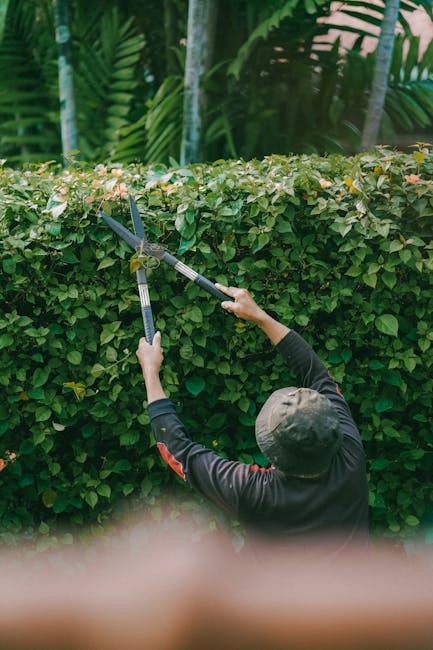
- hedge trimming or shaping
- deadheading, pruning, and general plant care
- leaf clearance and green waste removal
- patio sweeping or light cleaning
- seasonal tidy-ups before spring or winter
For the services that sit closest to routine upkeep, it is worth checking dedicated pages such as garden maintenance and lawn mowing. If hedges are a big part of the job, the specialist approach on hedge trimming in Camberwell can be more suitable than treating it as a quick add-on.
There is also a big difference between maintenance and restoration. Maintenance keeps things in shape. Restoration catches up after neglect, weather damage, or a busy period when gardening simply slipped down the list. Once a garden is in catch-up mode, the cost usually rises because the work is more physical, more time-consuming, and sometimes more awkward. You know the sort of garden: one job uncovers another, then another. Classic.
Key benefits and practical advantages
There is a reason regular garden care often works out cheaper over time. Small, consistent jobs prevent expensive build-up. A weekly or fortnightly visit can stop weeds from seeding, grass from becoming unmanageable, and hedges from turning into a major task. A tidy garden also tends to stay healthier, which matters if you care about planting, not just appearances.
The main advantages are straightforward:
- More predictable spending: regular upkeep is easier to budget for than occasional panic jobs.
- Less remedial work: when beds and lawns are managed properly, they need fewer drastic interventions.
- Better outdoor use: a presentable garden is more usable for family time, entertaining, or just a quiet cup of tea outside.
- Longer plant life: pruning, feeding, and seasonal care support healthier growth.
- Improved kerb appeal: which can matter whether you are staying put or preparing for a move.
If you are planning a more inviting space, upkeep can also support design choices. A clean patio, trimmed borders, and manageable planting make it easier to add seating areas or structure. A useful follow-on read is revamping your garden with cosy seating, because maintenance and design really do feed each other.
And let's face it, a garden that looks looked-after feels better to live with. Even on a wet Thursday morning, when the sky over London is doing its grey little thing, a neat outdoor space can still lift the mood.
Who this is for and when it makes sense
This guide is for homeowners, landlords, tenants with shared outdoor spaces, and anyone else trying to work out whether garden maintenance is a sensible spend or just another bill. It is also useful if you have a garden that has become a bit too much to keep on top of, especially after a busy season or a long spell of bad weather.
Garden maintenance makes particular sense if you:
- work long hours and do not have time for weekly upkeep
- have a lawn that needs routine mowing and feeding
- have hedges or shrubs that need regular trimming
- want the garden presentable for children, guests, or tenants
- are trying to stop a small problem becoming a bigger, costlier one
It is also a smart choice after specific events. Heavy rain, strong winds, and winter debris can quickly change the shape of a garden. If that is familiar, the advice in protecting your garden from weather havoc and dealing with high winds may help you see why maintenance costs are sometimes seasonal rather than fixed.
There are also lifestyle factors. If you have pets, children, or a garden used for play, safe and tidy upkeep matters more than perfect ornamental neatness. If you are more interested in low-effort gardening, then you may want to read cost-effective low-maintenance garden ideas before deciding how much care you really need.
Step-by-step guidance
If you want a sensible quote rather than a vague estimate, work through the job in order. This is the bit people often skip, then wonder why the price was not what they expected. A few minutes of clarity upfront can save a fair bit of hassle later.
- List the tasks. Separate lawn mowing, hedge work, weeding, pruning, patio cleaning, and waste removal into individual items.
- Measure the scale. Think in terms of small, medium, or large rather than trying to be overly precise if you do not have exact measurements.
- Note access issues. Narrow side passages, shared access, locked gates, or awkward rear entries can add time.
- Describe condition honestly. A lightly untidy lawn is not the same as a garden that has not been touched for months.
- Decide on frequency. One-off tidy-up, monthly maintenance, or regular visits all create different pricing structures.
- Ask what is included. Waste removal, disposal fees, and supply of materials should be clear.
- Compare like with like. A quote that includes hedge trimming and clearance is not comparable with one that only covers mowing.
A real-world example helps here. A small front and back garden with a tidy lawn, a few borders, and light weeding might need a shorter visit and a modest budget. Add overgrown hedges, scattered leaves, and a patio that needs a proper sweep, and suddenly the same space demands a longer slot and more equipment. Same garden footprint. Very different workload.
If you want to see how routine care fits with broader garden services, the gardening services page is a useful starting point, especially when a single visit needs several different tasks handled together.
Expert tips for better results
Good garden value is not only about getting the cheapest quote. It is about making sure the work actually solves the problem. A few practical habits make a real difference.
- Bundle jobs sensibly. If the team is already there, combining mowing, edging, and light hedge work is often more efficient than separate visits.
- Keep the garden accessible. Move toys, furniture, hoses, and loose items before the visit so time is spent on the garden, not on clearing the deck.
- Be clear about priorities. If the budget is tight, say whether the lawn, hedge, or border tidy-up matters most.
- Use seasonally smart timing. A spring reset and an autumn tidy often give the best results for the money.
- Stay consistent. Regular light maintenance is usually kinder to both plants and budget than dramatic rescue jobs.
One small but important point: if your garden has a lot of hedge growth, the neatest results often come from planned maintenance, not last-minute cutting. For a deeper look at shaping and control, this guide to hedge trimming techniques is a helpful companion.
Also, if you are trying to make the garden more wildlife-friendly or simply less messy over time, choosing the right planting can reduce maintenance pressure. Ground cover can help suppress weeds and soften bare areas, and these ground cover plant ideas are worth a look.
Common mistakes to avoid
Most pricing mistakes come from assumptions. People assume all garden work is interchangeable, or that a quote covers everything by default. Sadly, that is not how it usually works. A few avoidable errors crop up again and again.
- Choosing a quote without checking scope. The cheapest estimate may leave out waste collection or essential extras.
- Ignoring hedge and border work. These jobs can quietly become the biggest part of the visit.
- Waiting too long. Overgrowth increases labour, and labour is what you are paying for.
- Not asking about disposal. Green waste, cuttings, and debris need handling somehow.
- Assuming a once-off job is the same as regular maintenance. It rarely is.
Another sneaky mistake is underestimating weather. Wet ground, wind-blown debris, and seasonal growth bursts can all affect the time required. If you only plan for an ideal day in your head, the quote may not match reality. The garden, as ever, has its own opinion.
If weeds are the main headache, it can be useful to understand how maintenance and weed control interact before booking. The article on winning the war on weeds is a practical read for that exact problem.
Tools, resources and recommendations
Not every garden task needs a specialist team, but having the right tools matters if you plan to handle some jobs yourself and outsource the rest. In a typical Camberwell garden, the essentials are usually fairly basic, though the quality of the result depends on the quality of the tools and the time you are willing to put in.
Useful items include:
- reliable lawn mower or strimmer
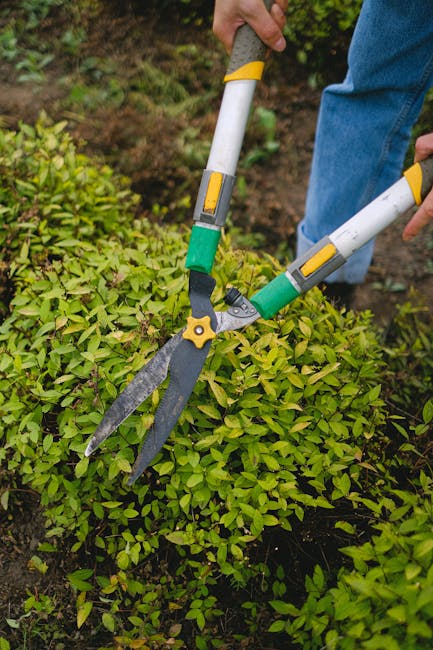
- hedge shears or a powered trimmer for larger hedges
- pruning secateurs and loppers
- stiff broom, rake, and garden gloves
- bin bags or containers for collected waste
- basic edging tools for paths and lawn borders
For anyone building their own kit, the essential gardening tools guide is a useful reference. It is the sort of thing you read once and then suddenly notice which bit of kit you have been making do without.
There are also a few garden approaches that reduce maintenance pressure overall. Container planting can make some spaces easier to manage, especially in compact outdoor areas. If that sounds familiar, see how container gardening changes home spaces. For tighter urban plots, vertical gardening tips can help make the most of limited room without turning the garden into a constant chore.
And if you want a more sustainable routine, composting is a sensible place to start. It reduces waste, improves soil structure, and can lower the amount you need to buy in later. This composting guide shows why so many gardeners call it garden gold. Not exactly glamorous, but very useful.
Law, compliance, standards, or best practice
For ordinary domestic garden maintenance, the main thing is best practice rather than heavy regulation. That said, reputable providers should still work safely, treat waste responsibly, and be clear about what they can and cannot do. If tree work is involved, the standards around competence and safety become more important, especially for larger trees or work near structures. In those cases, a dedicated tree surgery service is usually the right route rather than a general tidy-up.
Safety matters too. Proper risk awareness is not optional when tools, ladders, lifting, sharp cutting equipment, and uneven ground are involved. If a company takes safety seriously, it should have clear processes for working methods, equipment handling, and job planning. You can see the sort of approach to look for in the site's health and safety policy and insurance and safety information.
There is also the practical side of customer fairness. Clear pricing terms, secure payments, and a visible complaints process are all good signs. They do not make the hedge shorter, obviously, but they do show the provider has thought beyond the first invoice. Helpful pages to review include pricing and quotes, payment and security, terms and conditions, and complaints procedure.
For anyone comparing providers, transparency is often the most reliable quality signal. A straightforward explanation of what is included, what counts as extra, and how scheduling works usually tells you more than polished sales language ever will.
Options, methods, or comparison table
Different garden jobs call for different pricing methods. Some are best handled as one-off quotes. Others make more sense as regular maintenance. Here is a simple comparison to help you think clearly.
| Approach | Best for | Typical strengths | Possible drawback |
|---|---|---|---|
| Hourly maintenance | Small, variable jobs or mixed tidy-ups | Flexible, easy for changing task lists | Final cost can rise if the garden is more overgrown than expected |
| Fixed-price tidy-up | Clear one-off jobs with defined scope | Budget certainty, easier comparison | May exclude extras if the brief is not detailed enough |
| Regular scheduled care | Lawns, borders, hedges, and ongoing presentation | Better long-term control, often better value | Requires commitment to a routine |
| Specialist add-on work | Patios, decking, fencing, trees, or larger structural tasks | More suitable expertise, better finish | Usually priced separately from standard maintenance |
If your outside space has hard landscaping that needs attention too, separate services like patio cleaning, decking services, or fencing may be better than folding everything into a single garden tidy. That is often where more accurate pricing begins.
For gardens with privacy concerns, a maintenance plan may also overlap with hedge work and screening. Fast-growing plants and consistent trimming can reduce the need for expensive one-off corrections later. There is a good supporting article on fast-growing hedges for privacy if that is part of your plan.
Case study or real-world example
Imagine a typical Camberwell back garden in late autumn. It has a modest lawn, a hedge along the boundary, some weeds in the borders, and a patio covered in leaves. Nothing dramatic, but enough that it no longer feels calm or easy to use.
If the owner books a one-off maintenance visit, the work might include mowing, edging, hedge trimming, border clearing, and a tidy-up of the paved area. Because the garden has several different surfaces and the hedge has grown since summer, the visit takes longer than a simple mow. If green waste also needs removing, that adds another layer of labour and handling.
Now compare that with a garden on a regular maintenance plan. The hedge is already kept in check, the lawn is cut more often, and weeds have not been allowed to spread. The same space is easier to service, and the work feels lighter. The cost per visit can be easier to absorb because there is no big reset happening each time.
That is the heart of the real cost guide, really. You are not just paying for a person with tools. You are paying for time saved, overgrowth prevented, and the amount of recovery work the garden no longer needs. Small difference on paper, big difference in practice.
Practical checklist
Use this before requesting quotes or booking a visit. It is simple, but it helps.
- List every task you want done, even the small ones.
- Decide whether you want a one-off tidy or recurring maintenance.
- Note any access issues, locked gates, or narrow side entrances.
- Check whether waste removal is included.
- Identify the most urgent priority: lawn, hedge, weeds, or patio.
- Take a quick look at the garden in daylight so you can describe it properly.
- Ask how weather or overgrowth might affect the final price.
- Compare the scope of each quote, not just the headline figure.
- Keep your expectations realistic for the first visit if the garden is badly overdue.
- Plan the next visit before the current one is forgotten. Yes, easy to do, we all do it.
Key takeaway: the best way to control garden maintenance costs in Camberwell is to keep the work routine, clearly scoped, and seasonally planned. That is usually cheaper than waiting for the garden to shout for help.
Get a free quote today and see how much you can save.
Conclusion
Camberwell garden maintenance costs make far more sense once you break them into actual tasks, garden condition, access, and frequency. A regular, well-planned service is usually better value than emergency catch-up work, especially in a city setting where outdoor space is precious and time is tight.
So if your garden is drifting beyond easy control, do not just ask, "How much does it cost?" Ask what is included, how often the work is needed, and what would make the next visit easier than the last. That is where the real savings tend to live. And, to be fair, it is also what keeps the garden feeling like part of the home rather than another weekend burden.
When you are ready to move from guesswork to clarity, the next step is simple: choose the right scope, get a clear quote, and build a maintenance rhythm that fits your life. The garden will thank you for it, quietly, in its own green way.
Frequently Asked Questions
What affects Camberwell garden maintenance costs the most?
The biggest factors are garden size, how overgrown it is, which tasks are included, how easy it is to access the space, and whether waste removal is part of the quote. Hedges and reactive tidy-ups often add the most time.
Is regular garden maintenance cheaper than one-off visits?
Usually, yes. Regular maintenance prevents heavy overgrowth and reduces the labour needed each time. A one-off visit is useful, but if the garden keeps falling behind, costs tend to climb.
Should I ask for a fixed price or hourly rate?
Fixed pricing works well when the task list is clear and measurable. Hourly rates can suit flexible or unpredictable jobs. If you are comparing quotes, make sure you are comparing the same scope of work.
Does garden maintenance include waste removal?
Sometimes it does, sometimes it does not. You should always check. Cuttings, leaves, and hedge trimmings can create extra labour, and disposal may be priced separately.
How often should a garden in Camberwell be maintained?
That depends on the garden, but many homeowners find that regular visits in the growing season keep things manageable. Lawns, hedges, and borders can all need different frequencies, which is why a custom plan is often best.
What is the difference between garden maintenance and landscaping?
Garden maintenance is about keeping the outdoor space tidy, healthy, and under control. Landscaping usually involves more structural or design-led changes, such as reshaping spaces, adding features, or larger improvements.
Can hedge trimming be part of routine maintenance?
Yes, if the hedge is not too large or complex. If it needs more detailed shaping or is especially tall, a specialist hedge service may be the better choice. It depends on scale and access.
Why do quotes vary so much between gardeners?
Because they may be pricing different scopes, different equipment needs, different levels of waste handling, and different levels of overgrowth. A quote can look cheaper until you realise it excludes quite a lot.
What should I prepare before a gardener arrives?
Move obstacles, identify your priorities, and make sure access is clear. If the gardener does not need to spend time shifting furniture or searching for entry, your money goes further.
Is a tidy-up the same as ongoing garden maintenance?
No. A tidy-up is usually a catch-up job, often after a period of neglect or seasonal buildup. Ongoing maintenance is lighter, more predictable, and generally easier to budget for.
Do I need special services for patios, decking, or trees?
Often, yes. Hard surfaces and tree work can require different equipment, methods, and safety considerations. Separate services like patio cleaning, decking services, and tree surgery are better for those jobs.
How do I know if a garden quote is fair?
A fair quote should clearly explain the tasks included, any extras, and whether waste removal or specialist work is covered. If the numbers are low but the scope is vague, that is usually a warning sign rather than a bargain.