Southwark Council fines for illegal garden waste dumping: what residents and landlords need to know
If you have ever stared at a pile of branches, turf, hedge cuttings, or an overfilled builder's bag and wondered what happens if it gets left in the wrong place, you are not alone. Southwark Council fines for illegal garden waste dumping are not just a neat little warning on a poster; they are part of a much wider effort to stop fly-tipping, protect streets, and keep shared spaces usable. In practical terms, that means the difference between a tidy, compliant garden clear-out and a mess that can trigger enforcement action, complaints from neighbours, and an avoidable bill.
Truth be told, a lot of people only think about disposal at the end of the job. That is usually when things get expensive. This guide explains how council fines typically work, why they matter, who needs to pay attention, and how to handle garden waste properly without turning a simple clearance into a headache. You will also find a step-by-step approach, common mistakes, a comparison of disposal options, and a simple checklist you can use before anything leaves your property.
Table of Contents
- Why Southwark Council fines for illegal garden waste dumping Matters
- How Southwark Council fines for illegal garden waste dumping Works
- Key Benefits and Practical Advantages
- Who This Is For and When It Makes Sense
- Step-by-Step Guidance
- Expert Tips for Better Results
- Common Mistakes to Avoid
- Tools, Resources and Recommendations
- Law, Compliance, Standards, or Best Practice
- Options, Methods, or Comparison Table
- Case Study or Real-World Example
- Practical Checklist
- Conclusion
- Frequently Asked Questions
Why Southwark Council fines for illegal garden waste dumping Matters
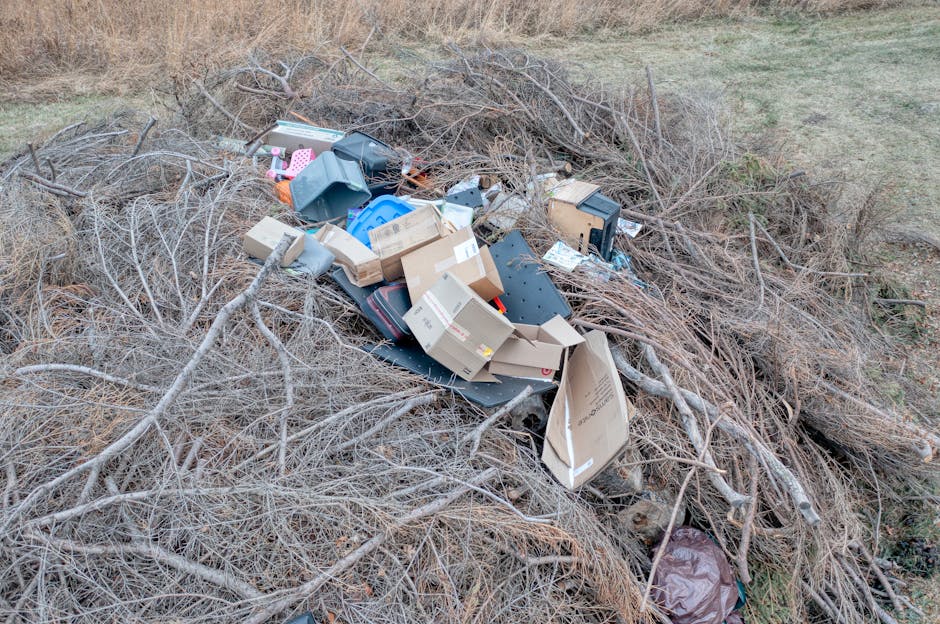
Illegal garden waste dumping sounds minor until you see the consequences on the ground. A few bags of grass cuttings left beside a wall can quickly become a larger fly-tip when rain tears the bags open, foxes get involved, or somebody else adds their own rubbish to the pile. In a London borough, that sort of scene is not just untidy; it can block footpaths, attract pests, and create a genuine nuisance for residents.
Southwark Council fines for illegal garden waste dumping matter because they create a clear boundary: green waste must be stored, moved, and disposed of responsibly. That is good for the street, but it also protects you. If a contractor dumps your waste illegally, you may still end up having to explain what happened, especially if you failed to check who was taking it away. Not ideal, and to be fair, it is the sort of problem people only learn about after the fact.
There is also a wider reputation issue. In shared housing, flats, terraces, and managed estates, one person's bad disposal choice often becomes everyone's problem. Neighbours notice. Managing agents notice. The council notices. A small act of neglect can snowball into complaints, photos, and formal action. That is why the topic is more than an enforcement story; it is about everyday responsibility in a busy borough.
If your gardening project also involves larger work such as garden clearance, regular garden maintenance, or pruning heavy hedges through hedge trimming, disposal planning should be part of the job from the beginning, not the end. The most painless jobs are the ones where the waste plan is clear before the first cut is made.
How Southwark Council fines for illegal garden waste dumping Works
In plain English, the council can take action where garden waste is dumped or left in a way that counts as unlawful disposal or fly-tipping. That may include waste placed on pavements, in communal areas, in alleyways, near bins, or on land where it is not permitted. The exact response can vary depending on the circumstances, but the principle is simple: if you leave waste where it should not be, you may face enforcement.
The process usually starts with a report, a site visit, or evidence gathered from the scene. It might be CCTV, witness information, paperwork found in the waste, or other identifying details. If the waste can be linked back to you or to a contractor acting on your behalf, that matters. A surprising number of people assume, "I paid someone to take it, so I'm safe." Sometimes that is true. Sometimes it is not. You still need to do your part.
The council's response can range from advice and warnings to fixed penalties or more serious action, depending on the facts. The point is not to obsess over every possible penalty amount in the abstract. The real issue is that enforcement is costly, stressful, and avoidable. And once a case starts moving, it can become a time sink very quickly.
Here is the practical bit most people miss: the waste itself can be evidence. Bags, labels, mail, receipts, plant pots, and even distinctive garden materials can help trace responsibility. So if you are handling waste for a property, treat it like a chain of custody. That sounds grand, but it is really just common sense with a tidy note attached.
What usually triggers enforcement?
- Garden waste left beside bins or on the kerb without permission
- Fly-tipped cuttings in communal alleys or shared access routes
- Waste bags dumped in open spaces or on vacant land
- Contractors disposing of waste unlawfully after collecting it from a garden
- Repeated accumulation of garden waste that becomes a nuisance
Why contractors are part of the story
Many illegal dumping cases begin with a well-meaning homeowner hiring someone cheap, then discovering the waste has vanished in the wrong direction. If you are using a gardener, landscaper, or clearance team, ask exactly how waste is handled. A proper service should be able to explain collection, transport, and disposal in a way that sounds calm, not evasive. If they cannot, that is a yellow flag at best.
Key Benefits and Practical Advantages
A well-managed approach to garden waste has benefits that go beyond avoiding a fine. It keeps the work efficient, reduces stress, and makes the whole property feel more under control. That might sound obvious, but in practice people often underestimate how much time is lost when waste piles up after a job.
One of the biggest advantages is predictability. When you know in advance how waste will be handled, you can budget properly, schedule collections sensibly, and avoid awkward surprises on the day. You are also less likely to leave materials sitting around because "we'll deal with it later." Later has a habit of turning into next week. Next week turns into a complaint from next door.
Another benefit is better compliance across the board. Good waste handling tends to go hand in hand with safer work practices, cleaner access routes, and less risk of slips, trips, and blocked passages. If a garden clearance includes thorny trimmings, heavy branches, or damp clippings, keeping the area clear is not just neat; it is sensible.
If you are arranging related work like lawn mowing, lawn care, or even more intensive tree surgery, the benefits compound. A cleaner site makes the whole project easier to manage, and it usually leaves a better impression on neighbours too. That does matter in Southwark, where homes are often close together and people notice what is going on.
Expert summary: the cheapest disposal option is rarely the cheapest outcome. A few extra minutes spent checking who removes the waste, where it goes, and how it is documented can prevent a far more expensive problem later.
Who This Is For and When It Makes Sense
This topic matters to more people than you might expect. Homeowners, tenants, landlords, housing associations, managing agents, gardeners, and local contractors all have a stake in getting waste disposal right. If you are clearing a small back garden, replacing hedge lines, reshaping shrubs, or doing a larger seasonal tidy-up, the same basic responsibility applies.
It makes especially good sense if you are dealing with:
- End-of-tenancy garden tidies
- Overgrown private gardens
- Communal outdoor areas
- Regular maintenance schedules
- One-off clearance after storms or heavy pruning
- Landscaping works that generate soil, roots, branches, and debris
Landlords and agents should be particularly careful. A property can look fine in photos and still have waste tucked out of sight behind fencing, sheds, or side passages. If the waste gets dumped improperly, the paperwork trail can become your problem, even if a contractor was involved. That is why clear instructions and documented arrangements matter.
If your work extends into outdoor upgrades such as landscaping, landscape gardening, or installing new fencing, the waste question should be handled alongside the design, not after the materials arrive. Same idea if you are improving a patio and need patio cleaning to finish the job properly. It all connects.
Step-by-Step Guidance
If you want to stay on the right side of Southwark Council fines for illegal garden waste dumping, the easiest approach is also the most reliable: plan, separate, verify, and document. Simple words. Much better than a panic call after bags have been left in the wrong place.
1. Identify the waste before the job starts
Not all garden waste is the same. Green cuttings, soil, roots, timber, old compost, broken pots, treated wood, and mixed household rubbish may need different handling. A quick sort at the start saves confusion later.
2. Decide what can be reused, composted, or removed
Some material may be suitable for composting or reuse on site. Other material needs removal. That split is worth making early because it can reduce the volume that has to leave the property. If you are already thinking about sustainability, the recycling and sustainability page is a useful place to understand the wider approach behind responsible waste handling.
3. Choose a disposal method that matches the volume
A few bags of leaves are not the same as a full clearance after major pruning. Smaller jobs might suit a scheduled collection or a modest load-out. Larger jobs often need a more structured service. Do not guess. Estimating badly is one of those tiny mistakes that turns into a long afternoon and a grumpy back.
4. Check who is responsible for transport and disposal
If a contractor is collecting waste, ask how they will move it and where it will end up. Responsible operators are usually happy to explain their process. Vague answers are not reassuring, and that is putting it politely.
5. Keep proof of proper handling
Save messages, quotes, invoices, and any written confirmation about waste removal. If something later goes wrong, having a paper trail helps. It is boring, yes, but useful in the way that umbrellas are useful when the sky turns grey at 4 p.m.
6. Check the site after collection
Before you call it done, look around the side return, front path, and any shared access points. Small scraps can blow around. Tie up loose ends while the team is still there if possible. Once the van has gone, your leverage drops fast.
Expert Tips for Better Results
Here is the bit that tends to separate an easy disposal job from a messy one: a little thinking upfront. Not loads. Just enough to avoid the obvious traps.
Tip one: separate green waste from mixed waste. Grass and hedge cuttings are usually easier to manage when they are not tangled up with broken terracotta, plant labels, old compost bags, or random household bits that somehow end up in the same corner. Mixed loads are harder to handle and more likely to cause problems.
Tip two: avoid leaving waste visible at the boundary of the property. Even if you intend to move it later, visible bags can attract attention, wind, rain, and sometimes opportunistic dumping by others. That is a tiny annoyance until it becomes a bigger one.
Tip three: ask for waste handling to be included in the scope of work. If you are booking gardening services or garden maintenance, make sure removal is not treated as an afterthought. It should be part of the plan, not the footnote.
Tip four: for larger trees or thick shrubs, check the waste volume before cutting. Heavy branches, trunk sections, and root material fill space quickly. If you are trimming a mature tree or using tree lopping and removal, the waste picture changes fast.
Tip five: keep access routes clear for collection. A cluttered path makes collection slower and increases the chance that waste gets staged in the wrong place. You really do not want that lingering outside the front gate.
Common Mistakes to Avoid
Most problems with garden waste disposal are not dramatic. They are ordinary, almost sleepy little mistakes that creep in because someone is busy. The irony, of course, is that those are the mistakes that end up costing real money.
- Assuming all garden waste can be left out for collection without checking local rules
- Using an unverified contractor and trusting verbal promises alone
- Mixing garden waste with general rubbish and then hoping it sorts itself out
- Leaving bags in communal areas overnight without permission
- Ignoring small overflow piles that are likely to spread
- Failing to keep any proof of proper disposal
- Forgetting that neighbours may report repeated dumping or mess
One common slip is thinking, "It is only a few cuttings." That is how small problems get normalised. A few cuttings become a heap. A heap becomes a complaint. A complaint becomes an investigation. Not every time, of course, but enough times that it is worth avoiding.
Another mistake is to focus entirely on speed. Fast is not always better. A disposal plan that is slightly slower but properly arranged is usually the smarter choice. No one enjoys a fine because the job was rushed by twenty minutes.
Tools, Resources and Recommendations
You do not need a complicated toolkit to manage garden waste well, but you do need a few basics. Think practical, not fancy.
- Heavy-duty garden bags: useful for cuttings and lighter waste
- Tarpaulin sheets: handy for keeping piles together and dry
- Gloves and tongs: helpful for safe handling of thorns, brambles, and sharp debris
- Wheelbarrow or garden trolley: makes moving waste faster and safer
- Labels or notes: useful if several waste piles are being sorted at once
- Camera phone: simple but effective for recording the site before and after removal
If you are working on a bigger outdoor project, it can also help to review related services before the first spade goes in. For example, a plan involving decking services, patio cleaning, or even lawn care often produces different waste streams and access challenges. A bit of forethought saves a lot of backtracking.
For trust and process information, it is also sensible to look at a provider's insurance and safety approach and their stated health and safety policy. Those pages tell you something useful about how seriously a business treats risk, both for staff and for your property.
Law, Compliance, Standards, or Best Practice
Garden waste disposal sits within the broader UK framework on waste duty of care, local environmental protection, and fly-tipping enforcement. You do not need to be a lawyer to act responsibly, but you do need to understand the core principle: waste should be stored, transferred, and disposed of by a lawful route.
Best practice is straightforward. Use reputable services, keep records, do not hand waste to random traders in the street, and avoid placing waste where it can create a nuisance or be mistaken for fly-tipping. If a contractor is involved, make sure they are able to explain their disposal process clearly. That is especially important when working near communal boundaries, side returns, or public-facing front gardens.
For property owners and managers, good compliance also means setting expectations in writing. If a tenant, gardener, or contractor is generating waste, someone should be clear on who removes it, when it is removed, and what happens if the site cannot be cleared immediately. Small detail? Yes. Also the difference between order and chaos.
It is also worth noting that local enforcement is often context-sensitive. Officers and council teams look at evidence, behaviour, and the site conditions rather than treating every case the same way. So the safest assumption is simple: if it would look questionable to a neighbour, it is probably worth fixing before someone else flags it.
Options, Methods, or Comparison Table
Different disposal methods suit different jobs. Here is a simple comparison to help you think it through before you book anything.
| Method | Best for | Pros | Watch-outs |
|---|---|---|---|
| Bagged garden waste waiting for collection | Small, light amounts | Cheap and simple if allowed | Can become messy or attract complaints if left out too long |
| Professional clearance service | Medium to large jobs | Fast, organised, less hassle | Quality varies, so check how disposal is handled |
| On-site composting | Green waste only | Eco-friendly and low-cost over time | Not suitable for all material and takes space |
| Phased removal over several visits | Large or awkward gardens | Manages volume better | Needs planning so waste does not accumulate between visits |
In many real-world jobs, a mixed approach works best. For example, a routine garden tidy might be partly composted and partly removed, while a bigger project involving overgrown borders, broken timber, and old hard landscaping might need staged clearance. There is no prize for making it more complicated than it needs to be.
Case Study or Real-World Example
Imagine a Camberwell terrace with a narrow side access, an overgrown rear garden, and a patchy lawn that has not been properly maintained for months. The owner decides to sort it over a weekend. A neighbour-friendly job, in theory. But by Saturday afternoon there are bags of clippings near the front, a heap of branches at the side return, and an old planter full of soil that nobody has quite worked out what to do with.
At that point, the risk is not the pruning itself. It is the unfinished waste staging. One rainy evening and a gust of wind later, the bags split, the path gets dirty, and the whole scene starts to look untidy enough to draw attention. If the waste had been scheduled for prompt removal, or handled by a team that planned the clearance in one go, the problem would never have grown legs.
Now compare that with a tidier approach. The owner books a garden team that explains waste handling in advance, separates green waste from heavier debris, and removes everything the same day. The site is left clear, the neighbour has nothing to complain about, and the garden is ready for the next stage, whether that is lawn work, planting, or a deeper redesign. Boring? Maybe. Effective? Absolutely.
Practical Checklist
Use this before any garden waste leaves the property.
- Have I identified all waste types on site?
- Is anything reusable, compostable, or safe to keep on the property?
- Do I know exactly who is responsible for removal?
- Have I checked whether the disposal method is suitable for the amount of waste?
- Are bags, branches, or debris being stored somewhere lawful and sensible?
- Do I have written proof, a quote, or a clear agreement?
- Is the access route clear for safe collection?
- Have I taken photos of the site before and after?
- Could the waste be mistaken for fly-tipping if left where it is?
- Have I arranged prompt removal rather than leaving it overnight by default?
If you can tick all of those off, you are in a much stronger position. If a couple are still uncertain, pause and sort those first. A five-minute delay is usually cheaper than an avoidable fine. No contest there.
Conclusion
Southwark Council fines for illegal garden waste dumping are really about something simple: keeping responsibility attached to the waste all the way from the garden to the final disposal point. If you plan ahead, choose a proper route, and keep records, you reduce the chance of enforcement and make the whole job cleaner for everyone involved.
That is the part people often overlook. Proper waste handling is not just about avoiding penalties. It protects your neighbours, your property, and your peace of mind. And honestly, when a garden job ends with a clean path and no loose bags by the gate, it feels better. It just does.
If you want help with a larger clearance, regular upkeep, or a garden project that needs careful waste handling from start to finish, it makes sense to speak to a team that understands both the work and the responsibility behind it.
Get a free quote today and see how much you can save.
Frequently Asked Questions
What counts as illegal garden waste dumping in Southwark?
It generally means leaving garden waste where it is not permitted, such as on pavements, in communal areas, in alleyways, or on land without permission. The key issue is that the waste is placed or abandoned unlawfully.
Can I leave bags of garden waste outside for collection?
Only if you know that it is permitted and you have followed the correct collection arrangement. If you are unsure, do not assume it is allowed. Unauthorised bags left out can quickly become a problem.
Am I still responsible if a contractor dumps my waste illegally?
Potentially, yes. That is why it is important to use reputable contractors and keep records of what was agreed. If someone collects your waste, you should know how it will be transported and disposed of.
How can I avoid getting caught out by a council fine?
Plan the waste removal before the garden work begins, separate materials properly, use a lawful disposal route, and keep proof of what was arranged. Simple steps, but they matter.
What should I do if my garden waste has already been dumped?
Act quickly. Secure the site if possible, document the issue with photos, and arrange proper removal. If the waste was placed by a contractor, gather your paperwork and messages right away.
Is composting enough to deal with all garden waste?
No. Composting works well for suitable green waste, but not for everything. Soil, treated materials, and mixed waste often need different handling. It is useful, just not universal.
Does garden waste include soil and roots?
Often yes, but those materials can be heavier and harder to manage than grass cuttings or leaves. They may need separate planning because they are bulkier and more difficult to move.
What are the most common mistakes people make with garden waste?
The biggest ones are leaving waste out too long, mixing it with general rubbish, using unverified collectors, and failing to keep any records. These are ordinary mistakes, but they cause the most trouble.
Should landlords and agents keep records too?
Absolutely. If waste is being generated on a rental property, it helps to know who arranged removal, what was taken, and when it left the site. That paperwork can save a lot of back-and-forth later.
When is it worth using a professional garden clearance service?
When the volume is more than a few bags, when access is awkward, when there are mixed materials, or when you want the disposal handled cleanly and efficiently. For many people, that peace of mind is worth it.
Can garden waste be left near a fence or wall temporarily?
Sometimes, but only if it is safe, lawful, and not likely to cause a nuisance or be moved by wind, animals, or other people. Temporary often becomes longer than intended, so keep it brief.
What is the safest next step if I am unsure about disposal?
Pause the job, review the waste types, and make sure the collection or removal route is clear before continuing. It is far easier to solve the disposal question early than to fix a messy aftermath.
If you are comparing service options or need help shaping a compliant, tidy clearance plan, it is worth reviewing the company's pricing and quotes information and reading the terms and conditions so you know exactly what is included.
A tidy garden should feel like a relief, not a risk. Get the disposal right, and everything else becomes easier.