Emergency garden clearance gardeners Camberwell Denmark Hill: fast, calm help when your outdoor space needs sorting now
When a garden has gone from manageable to messy overnight, you need more than a routine tidy-up. You need Emergency garden clearance gardeners Camberwell Denmark Hill who can step in quickly, work safely, and leave the space usable again without dragging the job out. Maybe a storm has scattered branches across the lawn. Maybe a tenancy has ended and the outdoor area needs clearing before handover. Or perhaps the hedges, weeds, and old furniture have just built up until the whole place feels heavy. Whatever the trigger, urgent clearance is about restoring order fast, but without cutting corners.
This guide walks through how emergency garden clearance works, what's usually included, who it's for, and what to expect from a professional team in Camberwell and Denmark Hill. You'll also find practical tips, common mistakes to avoid, and a realistic checklist you can use before booking. If you want to compare related services first, it can help to look at general gardening services, ongoing garden maintenance, and larger landscaping support so you can judge whether you need a one-off emergency visit or a broader plan.
Truth be told, urgent garden work often feels more stressful than it should. The good news? A well-run clearance can be surprisingly straightforward once you know what to ask for.
Why Emergency garden clearance gardeners Camberwell Denmark Hill matters
Emergency garden clearance is not just about making a garden look better. It's about removing immediate problems that can become bigger, costlier, or even unsafe if they're left alone. In London, that matters more than people sometimes admit. Space is tighter, fences are closer together, wind can funnel between buildings, and a neglected rear garden can quickly become blocked, slippery, or inaccessible.
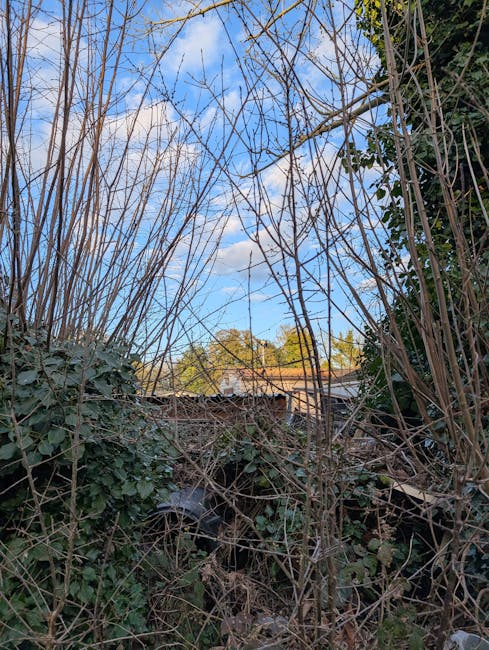
A sudden clearance request usually comes after a specific event. Heavy wind might have blown debris across patios and paths. A long holiday might reveal waist-high weeds and a compost area that's more "heap" than compost. Sometimes the issue is practical: bins can't be reached, the lawn is hidden, or overgrown plants have started pressing against walls and fencing. In those moments, it's not about perfection. It's about getting the space safe and usable again.
There's also a neighbourly angle. In dense residential streets around Camberwell and Denmark Hill, an overgrown garden can spill visually into adjoining spaces, create complaints, or attract pests. No one wants that awkward conversation over the fence. A swift clearance can quietly solve the problem before it escalates. If hedges are part of the issue, you may also want to look at hedge trimming in Camberwell and the practical advice in innovative hedge trimming techniques.
Expert summary: emergency garden clearance is most valuable when speed, safety, and access matter more than cosmetic detail. The best results come from a clear brief, safe working methods, and a realistic plan for waste removal.
How Emergency garden clearance gardeners Camberwell Denmark Hill works
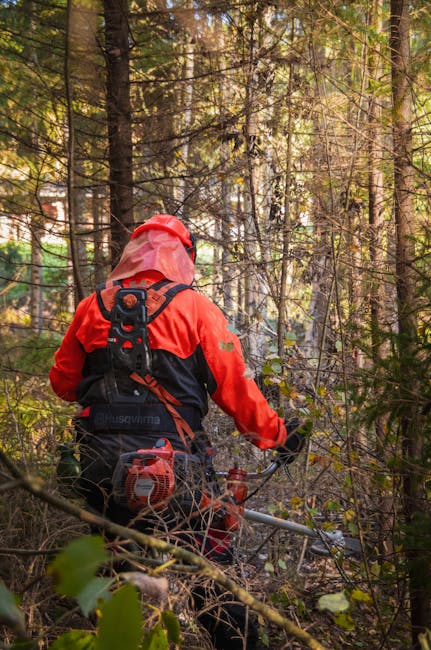
The process is usually faster than a standard garden project, but it still needs structure. A good team will start by understanding the condition of the space, the urgency, and any hazards. You might be dealing with broken branches, dense bramble growth, collapsed planters, soil spills, or leftover items that need lifting and sorting. A quick look at the site, ideally with photos if you're arranging it remotely, helps the crew estimate labour, equipment, and disposal needs.
From there, the work is normally split into a few practical stages. First comes safe access. Then the team removes loose waste, cuts back overgrowth, clears pathways, and opens up key areas such as doors, side returns, bins, and patios. If the job includes heavier material, it may involve cutting down larger branches, splitting woody waste, or loading bulky items. The final stage is usually a tidy-through: collecting smaller debris, raking, sweeping, and making sure there are no sharp remnants left behind.
It is worth saying that emergency clearance does not always mean instant perfection. If the garden has been neglected for years or damaged by weather, a first visit may focus on restoring access and reducing risk, while a follow-up visit handles refinement. That's normal. To be fair, it's often the safest way to do it.
If your issue includes larger trees, split limbs, or unstable branches, a specialist approach may be more suitable. In those cases, tree surgery support can be the right next step rather than trying to force everything into a general clearance job.
Key benefits and practical advantages
The obvious benefit is speed. When your garden has become unsafe, cluttered, or inaccessible, a quick response saves time and reduces stress. But the advantages go further than that.
- Improved safety: loose branches, hidden tools, slippery surfaces, and buried debris are dealt with before they cause accidents.
- Better access: doors, gates, paths, and storage areas become usable again, which sounds basic but makes daily life easier immediately.
- Less stress: an overwhelming mess is easier to manage once the biggest obstacles are gone.
- Cleaner handover: useful for landlords, tenants, property managers, and homeowners preparing a sale or inspection.
- Healthier recovery: once a garden is cleared, pruning, lawn recovery, soil improvement, or planting decisions become much easier.
There's also a practical design benefit. A clearance can reveal what the garden actually needs. Sometimes people think they need a total redesign, but once the clutter is gone, the bones of the space are perfectly workable. A narrow yard might only need selective clearing, some lawn care, and a few defined borders. A neglected patio might become useful again after proper patio cleaning.
For many households, the biggest win is psychological. You open the back door and don't feel that little jolt of dread. You just see space. That matters more than people think.
Who this is for and when it makes sense
Emergency clearance is not only for extreme mess. It's for anyone who needs a garden brought under control quickly, safely, and with minimum disruption.
It often makes sense for:
- Homeowners dealing with storm damage, bramble growth, fallen debris, or a sudden build-up of waste.
- Landlords and letting agents needing a fast turnaround between tenancies.
- Older residents who cannot safely tackle heavy lifting or overgrown areas themselves.
- Busy families who've let the garden slide during a hectic season and need it back under control quickly.
- Businesses or communal property managers who need outdoor areas made presentable again without fuss.
Sometimes the trigger is seasonal. After wet weather, growth can explode. After a windy spell, broken material can accumulate overnight. After winter, gardens can look like they've been sleeping under a blanket of twiggy mess. If the weather has hit your space hard, you may also find weather protection guidance useful for preventing a repeat next time.
And yes, sometimes the reason is more personal. You just cannot face it. Happens to the best of us.
Step-by-step guidance
If you're arranging an urgent clearance, here's the simplest way to approach it without overcomplicating the job.
- Identify the immediate problem. Is it access, safety, waste, pruning, or all four? Be specific if you can.
- Take a few clear photos. Wide shots and close-ups help the team understand scale, waste type, and hazards.
- List anything that must stay. Pots, tools, herbs, ornaments, seating, wildlife features, or boundary plants should be marked clearly.
- Ask about the disposal plan. Green waste, mixed waste, and bulky items may need different handling.
- Check access details. Side gates, locked yards, parking constraints, and stair access can affect how quickly the work starts.
- Request a realistic scope. For example, "clear the back path, remove brambles, cut back the fence line, and sweep the patio" is more useful than "clear everything."
- Confirm what happens after clearance. Some jobs end with a basic tidy, while others may include follow-up maintenance or additional repair work.
One very small but useful tip: if the garden contains compostable waste, separate it where possible. It saves time and can reduce mess. If you're interested in making future clear-outs less wasteful, the article on turning garden waste into compost is worth a look.
After the clearance, resist the urge to re-clutter the space immediately. Give yourself a day or two to look at it in the open. You may spot a better layout than you expected.
Expert tips for better results
A rushed clearance still benefits from good judgement. The job goes more smoothly when a few basic principles are followed.
1. Start with access, not cosmetics
Always clear the route first: doors, gates, steps, paths, and working areas. Once access is open, the rest of the job becomes safer and quicker. It sounds obvious, but people often focus on the big heap of waste and forget the path to it.
2. Protect boundary features early
If you have fences, sheds, decking, or delicate planting near the clearance zone, make sure they're identified before work starts. One accidental knock can turn a tidy-up into a repair job. If boundary lines or damaged panels are part of the problem, fencing support may be worth discussing alongside clearance.
3. Don't assume all overgrowth is the same
Brambles, ivy, self-seeded saplings, hedge growth, and soft weeds all behave differently. A careful team will use different cutting and removal methods depending on what they're dealing with. That's why rushed "one-size-fits-all" cutting can leave roots behind and cause regrowth. Annoying, really.
4. Match the clearance to the season
In spring and early summer, growth is often soft and fast. In autumn, the problem may be leaf fall mixed with dead stems and damp debris. In winter, you may be dealing with brittle material and hidden damage. A team that understands seasonal patterns will usually work more efficiently.
5. Think about the next stage
Emergency clearance is usually step one, not the whole story. Once the site is clear, ask whether follow-up lawn repair, hedge shaping, or regular maintenance would make sense. A stronger finish often comes from pairing urgent work with a calm plan for the next month or two.
For a lighter, more future-focused approach, you might also find these topics helpful: low-maintenance garden ideas, ground cover planting, and fast-growing hedges for privacy.
Common mistakes to avoid
Emergency work can go wrong in fairly predictable ways. Avoid these and you'll save time, money, and probably a headache or two.
- Waiting too long. Small problems become heavy jobs. Once growth blocks access or starts damaging structures, the cost and effort usually rise.
- Not defining the boundary of the job. If you don't say what stays and what goes, useful plants or items can be removed by mistake.
- Underestimating hidden waste. Garden clutter often hides broken tools, old pots, timber, rubble, and general mixed debris.
- Ignoring safety concerns. Loose glass, rusty metal, unstable branches, and damp surfaces are all common surprises.
- Trying to do everything in one go. Sometimes a first clearance is enough to get the garden stable, then a second visit polishes it up.
- Assuming all clearance teams offer the same outcome. Some only remove waste; others will also cut back, tidy, sweep, and advise on the next step.
There's a subtle mistake people make too: they treat a severely overgrown garden like a normal tidy-up. It isn't. It needs planning, the right tools, and a measured pace. Otherwise you end up with half-cleared beds, broken stems everywhere, and even more mess than before. Not ideal.
Tools, resources and recommendations
A proper emergency clearance relies on more than just sharp blades and strong arms. The right kit makes a big difference to speed and finish.
| Tool or resource | Typical use | Why it helps |
|---|---|---|
| Heavy-duty gloves | Handling brambles, thorny growth, and rough waste | Protects hands from cuts and stings |
| Pruning saw and loppers | Cutting back thicker stems and woody growth | Gives cleaner cuts than forcing small tools |
| Wheelbarrow or tubs | Moving cuttings and debris | Speeds up removal and keeps the site safer |
| Tarpaulin sheets | Collecting waste in one place | Makes loading easier and reduces scattering |
| Rake, broom, and stiff brush | Final surface clean-down | Leaves paths, patios, and borders properly finished |
| Clear photo notes | Remote assessment before arrival | Helps define the scope and avoid misunderstandings |
For anyone who likes to stay prepared rather than reactive, the article on essential gardening tools is a solid companion read. And if your garden keeps getting knocked about by weather, take a look at how high winds affect gardens so you can plan defensively, not just react.
If you are trying to reduce future maintenance, some people also combine urgent clearance with practical improvements like container planting, simple seating zones, or vertical growing. Those are not emergency fixes, obviously, but they do make the space easier to manage later.
Law, compliance, standards, or best practice
Garden clearance can touch on a few important best-practice areas, even when the work itself is straightforward. In the UK, responsible contractors should handle waste properly, work safely, and avoid damaging neighbouring property. That sounds basic, but it matters.
For homeowners and tenants, the main practical point is waste separation and disposal. Green waste should be handled sensibly, while mixed waste, soil, timber, and contaminated material may need different treatment. A professional team should be clear about what's being removed and how it's being managed. If a job includes heavy lifting, sharp tools, or potentially unstable structures, safe working methods should be part of the plan from the start.
Insurance matters too. If someone is working around fences, patios, decking, or trees, ask whether the business has appropriate cover and safe systems of work. You can review the company's own insurance and safety information and health and safety policy if you want more reassurance before booking. It's not overcautious to ask. It's sensible.
There are also privacy and complaints expectations that some customers overlook. A reputable provider should be transparent about terms, payment, and how issues are handled. Those details are boring until you need them, then they matter very much. If you want to understand the process better, the pages on terms and conditions, payment and security, and complaints procedure are worth checking.
If you care about sustainable handling, ask whether green waste can be reused, composted, or sorted in a lower-waste way. That fits well with the thinking in sustainable gardening approaches and composting garden waste.
Options, methods, and comparison table
Not every clearance needs the same level of intervention. Here's a simple comparison to help you think clearly about the choice in front of you.
| Approach | Best for | Strengths | Limits |
|---|---|---|---|
| Basic emergency tidy | Light mess, blown debris, quick access issues | Fast, lower disruption, good for small spaces | Won't solve deeper overgrowth or structural problems |
| Full emergency clearance | Heavy waste, severe overgrowth, blocked access | Restores order quickly and safely | May need follow-up work for finishing touches |
| Clearance plus pruning | Hedges, shrubs, and plant growth encroaching on space | Improves shape, access, and light levels | Not ideal if the main issue is waste removal only |
| Clearance plus ongoing maintenance | Gardens that keep getting out of hand | Prevents repeat emergencies, smoother long-term care | Costs more than a one-off visit, of course |
Another practical comparison worth noting: if the job is mainly about safe trimming and reshaping, a service like hedge trimming in Camberwell may be enough. If the whole space is cluttered and unusable, clearance comes first. It's a simple distinction, but it saves people from booking the wrong service.
Case study or real-world example
Here's a realistic example from the kind of job many local teams see. A small rear garden near Denmark Hill had been left for a few months after a busy family period and a stretch of poor weather. By the time it was addressed, the side return was blocked with broken stems, damp leaves, and general garden clutter. The patio had become slippery, one hedge had started leaning into the walking space, and the bin area was awkward to reach.
The first priority was access. The crew opened the path, removed loose waste, cut back the overgrowth near the fence line, and cleared the patio surface so it could be walked on safely. The second priority was sorting material into clear piles: green waste, woody cuttings, and mixed debris. That alone made the site feel far less chaotic. After the main clearance, the team did a final sweep and checked for anything sharp or unstable. The result was not a redesigned show garden. It was something better in that moment: a safe, workable outdoor space again.
A few days later, the owner could finally see what needed attention next. The lawn needed care, one fence panel was weakening, and a few smart planting choices would make future maintenance easier. That's often how these jobs go. Clear first. Then improve.
That same kind of "reset" is why some customers later add services like lawn mowing, lawn care, or even decking services once the space is back under control.
Practical checklist
Use this before booking or before the team arrives. It saves time, genuinely.
- Identify the main urgent issue: access, safety, waste, overgrowth, or storm damage.
- Take clear photos from more than one angle.
- Mark any plants, items, or features that must stay.
- Check for hidden hazards such as glass, nails, broken pots, or unstable branches.
- Confirm how waste will be removed and whether any material needs separating.
- Make sure gates, side access, and parking are workable.
- Ask whether the job includes sweeping and final tidying.
- Decide if you want follow-up maintenance after the clearance.
- Review safety, insurance, terms, and payment details before work begins.
- Plan the next step so the garden does not slip back into chaos again.
For families with pets or children, it can also help to think ahead about how the garden will be used after the clear-out. If that applies to you, the advice on gardening with your dog and kid-friendly garden ideas can help shape the next phase.
Get a free quote today and see how much you can save.
Conclusion
Emergency garden clearance in Camberwell and Denmark Hill is really about restoring control. Not glamour. Not perfection. Control. When a garden becomes unsafe, inaccessible, or simply too much to handle, a fast and well-planned clearance gives you breathing room. It clears the path, reduces risk, and turns a stressful outdoor space into something usable again.
The best outcomes come from clear communication, realistic expectations, and a team that understands how to work quickly without making a bigger mess. If you're dealing with an urgent issue right now, the smartest move is usually the simplest one: get the problem assessed, get the worst of it removed, and then decide what the garden needs next. Small steps. Good steps.
And once the dust settles, it's often surprising how hopeful a cleared garden can feel. Even on a grey London afternoon, the space starts to look like it belongs to you again.
Frequently Asked Questions
What counts as an emergency garden clearance?
An emergency clearance usually means the garden has become unsafe, blocked, or urgently unmanageable. That could be due to storm damage, heavy overgrowth, blocked access, fallen branches, or a time-sensitive handover.
How fast can emergency garden clearance gardeners Camberwell Denmark Hill attend?
That depends on workload, access, and the scale of the job. A simple clearance may be arranged quickly, while larger or more hazardous jobs can need a slightly longer response window.
Do I need to be home during the clearance?
Sometimes yes, sometimes no. If access is straightforward and the job brief is clear, arrangements can often be made in advance. For first-time jobs, being available at the start is usually helpful.
Will the team take away all the waste?
Usually, yes, but it's worth confirming exactly what is included. Green waste, mixed waste, and bulky items may be handled differently, so ask for clarity before work begins.
Can emergency clearance include hedge cutting or pruning?
Yes, if that's part of the urgent problem. If overgrown hedges are blocking access or creating a safety issue, trimming can be included or treated as a related task.
Is emergency clearance the same as regular garden maintenance?
No. Maintenance is ongoing and preventative. Emergency clearance is a one-off urgent response to restore safety, access, or basic control. They complement each other, though.
What if there are trees or large broken branches?
If the issue involves unstable trees or substantial limb damage, a specialist service may be needed. In those cases, tree work may need to be assessed before general clearance can continue safely.
How do I prepare my garden before the team arrives?
Move personal items, unlock access points, take photos, and make a note of anything that must stay. If possible, clear a small path to the main working area.
What should I ask before booking?
Ask what is included, how waste is removed, whether insurance is in place, whether sweeping is part of the finish, and if there may be follow-up work required afterward.
Can a cleared garden be made easier to maintain afterwards?
Absolutely. Many people use the clearance as a reset point, then switch to lighter maintenance, smarter planting, or simpler surfaces that don't demand as much effort.
Are there privacy or boundary issues to think about in dense London gardens?
Yes. Overgrown gardens can affect neighbour boundaries, light, access, and fence condition. It's sensible to consider those before and after the clearance so the space stays manageable.
What's the best next step if I'm not sure what service I need?
Start with a clear assessment and a few photos. If the garden is mostly cluttered and inaccessible, clearance is the right first move. If the main issue is routine upkeep, a maintenance or mowing visit may be enough. When in doubt, contact the team and describe the problem plainly.